Malba collection
Curators: Andrea Giunta y Agustín Pérez Rubio
Until 08.19.18
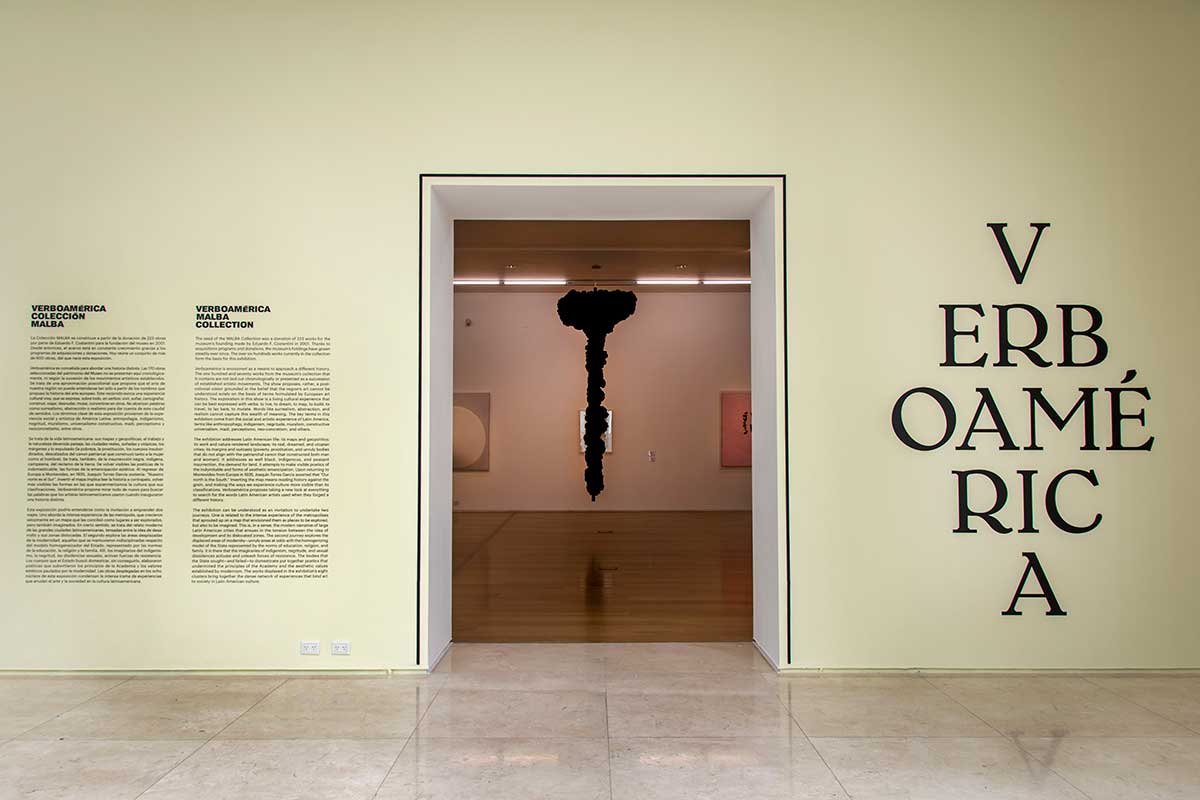
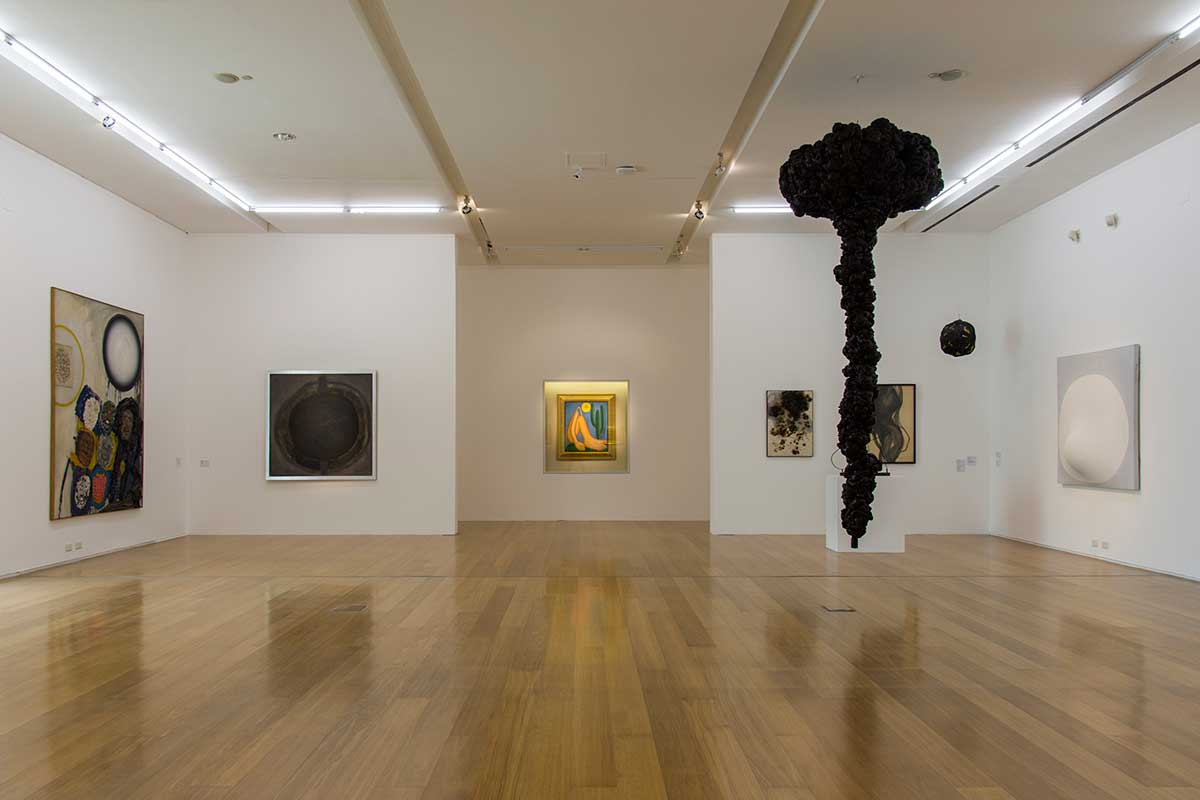
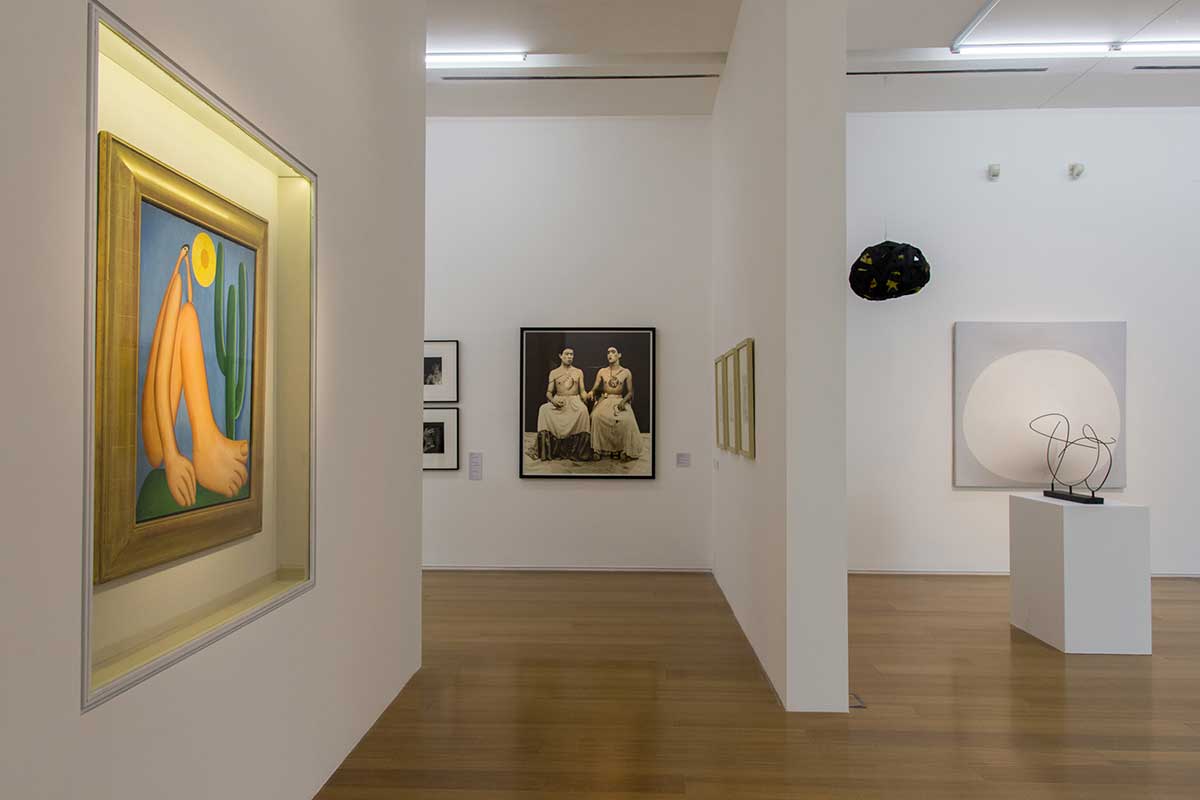
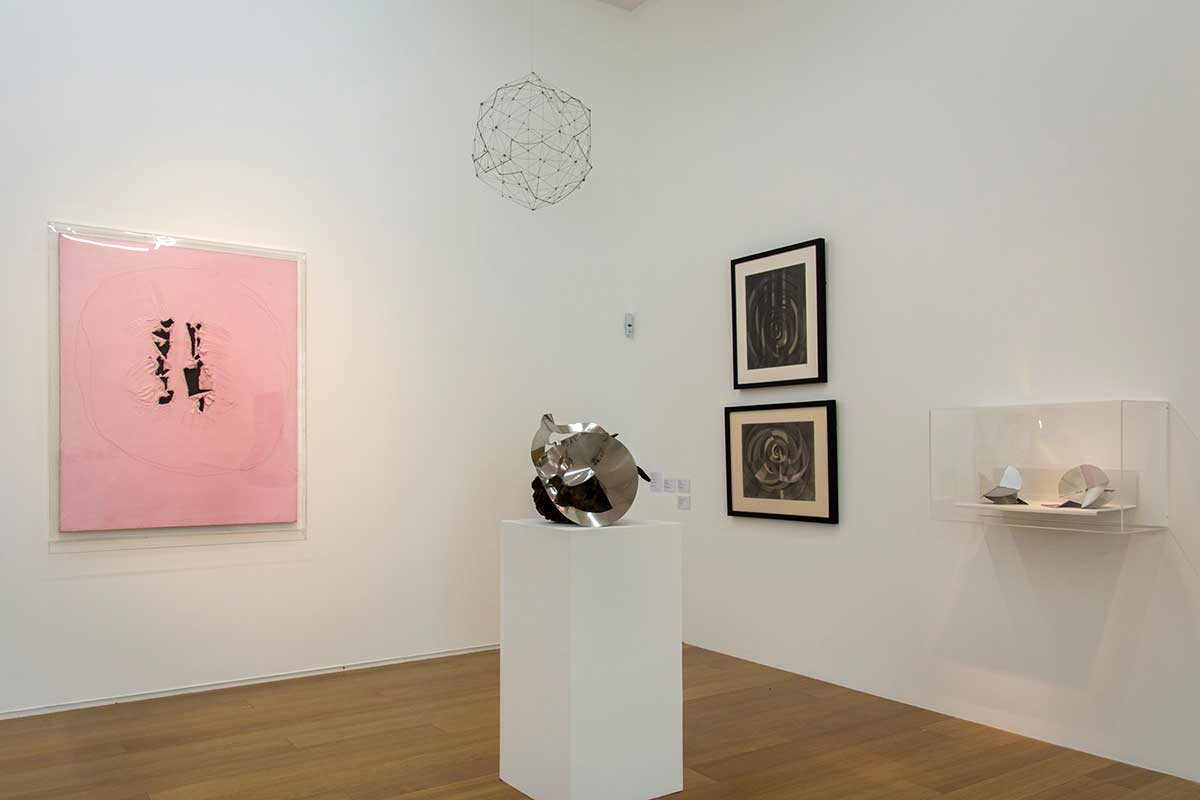
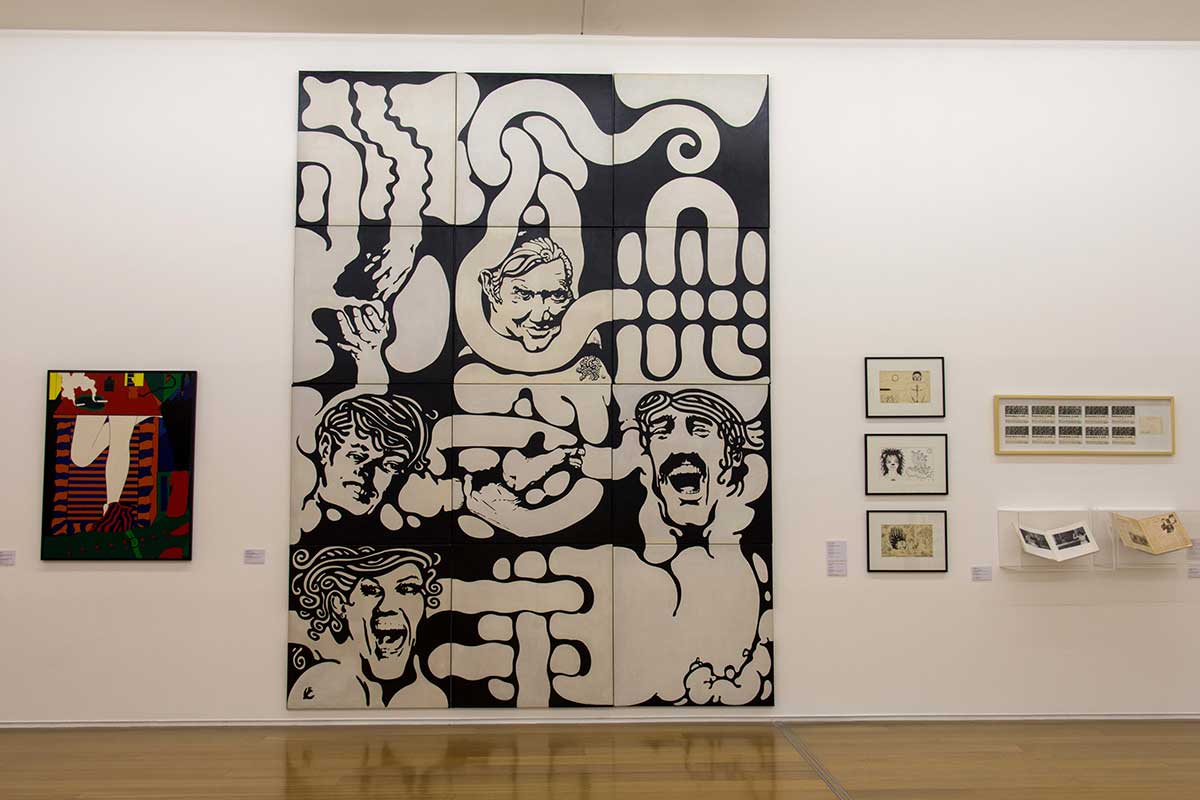
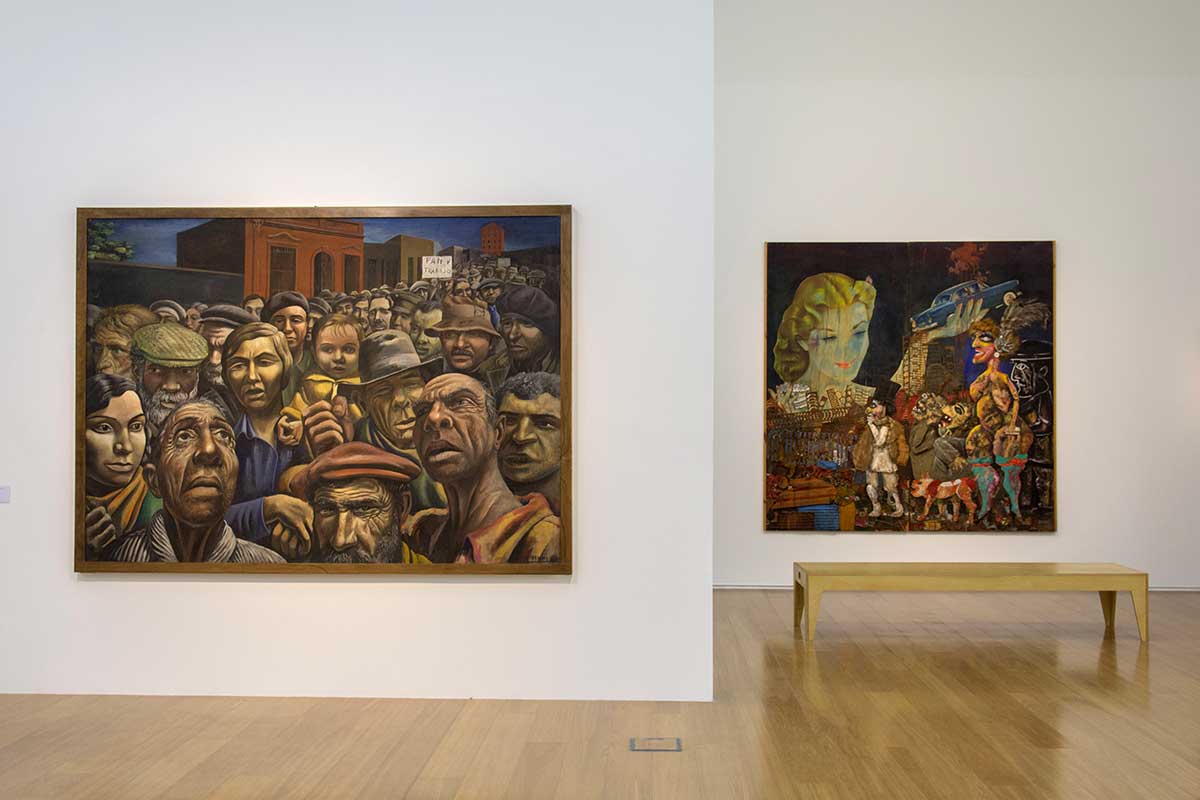
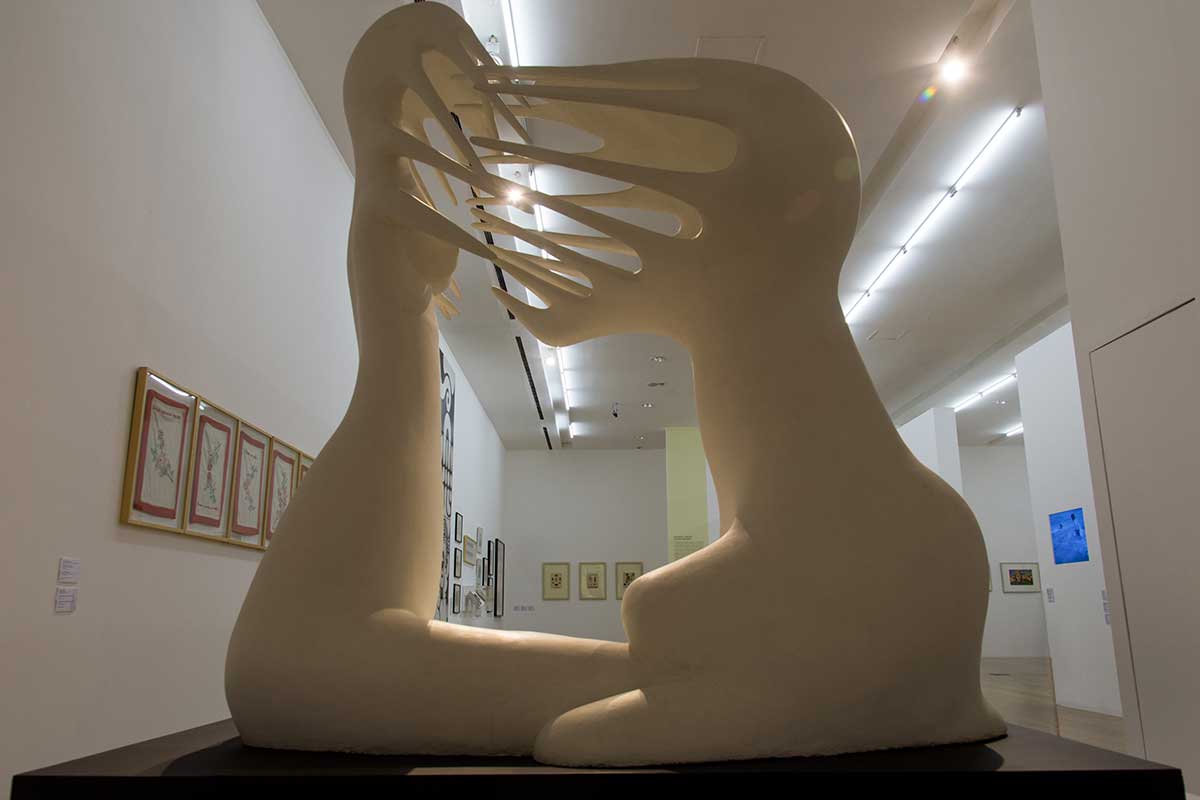
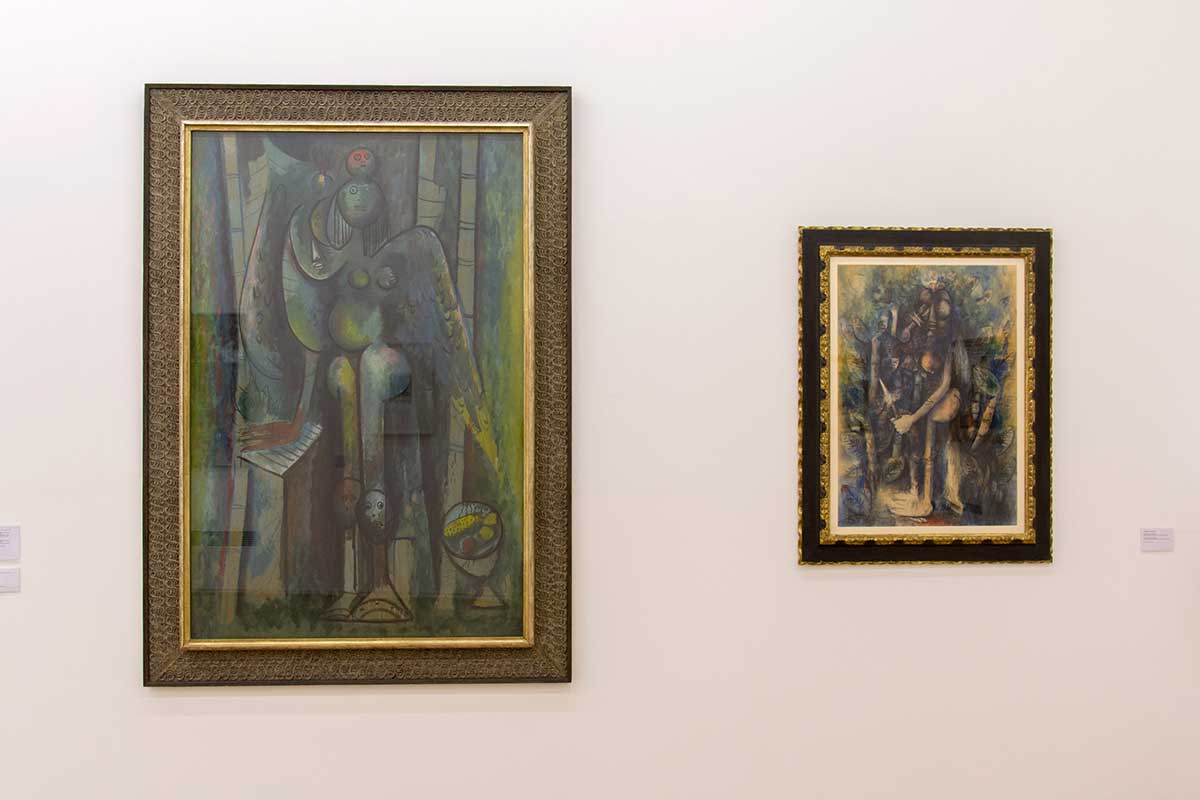
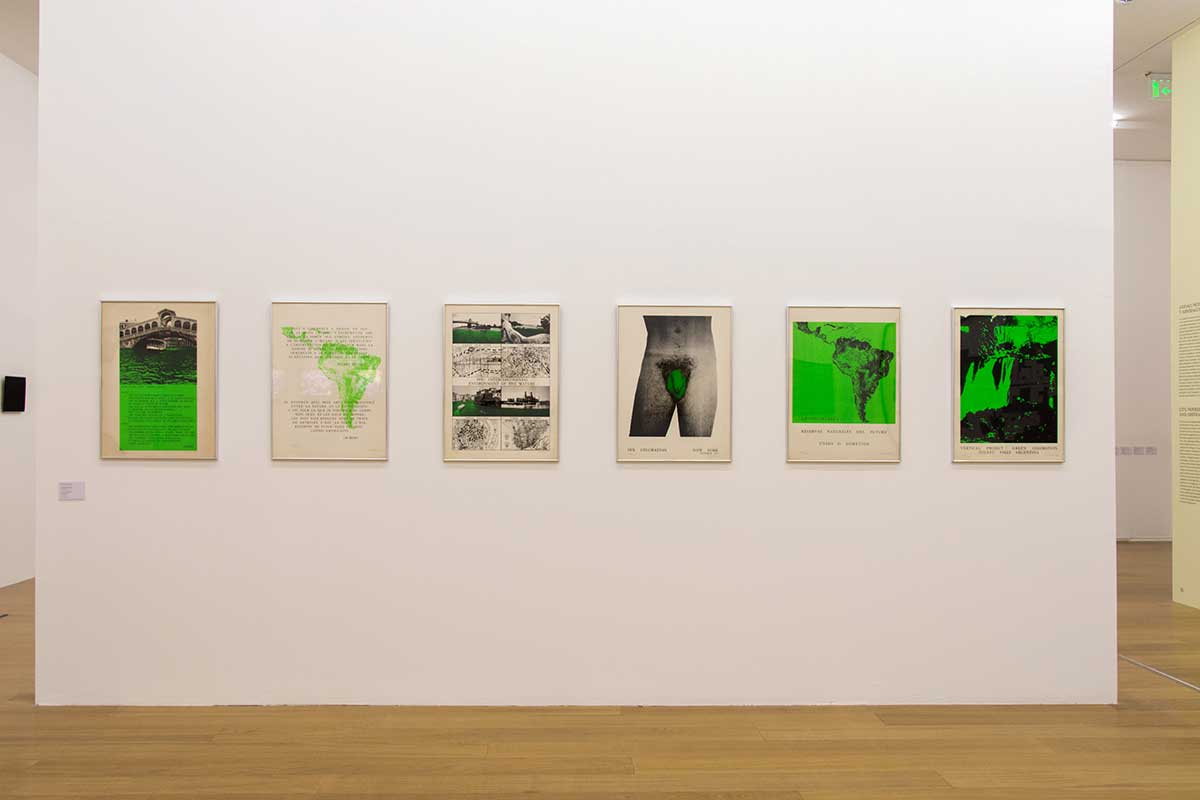
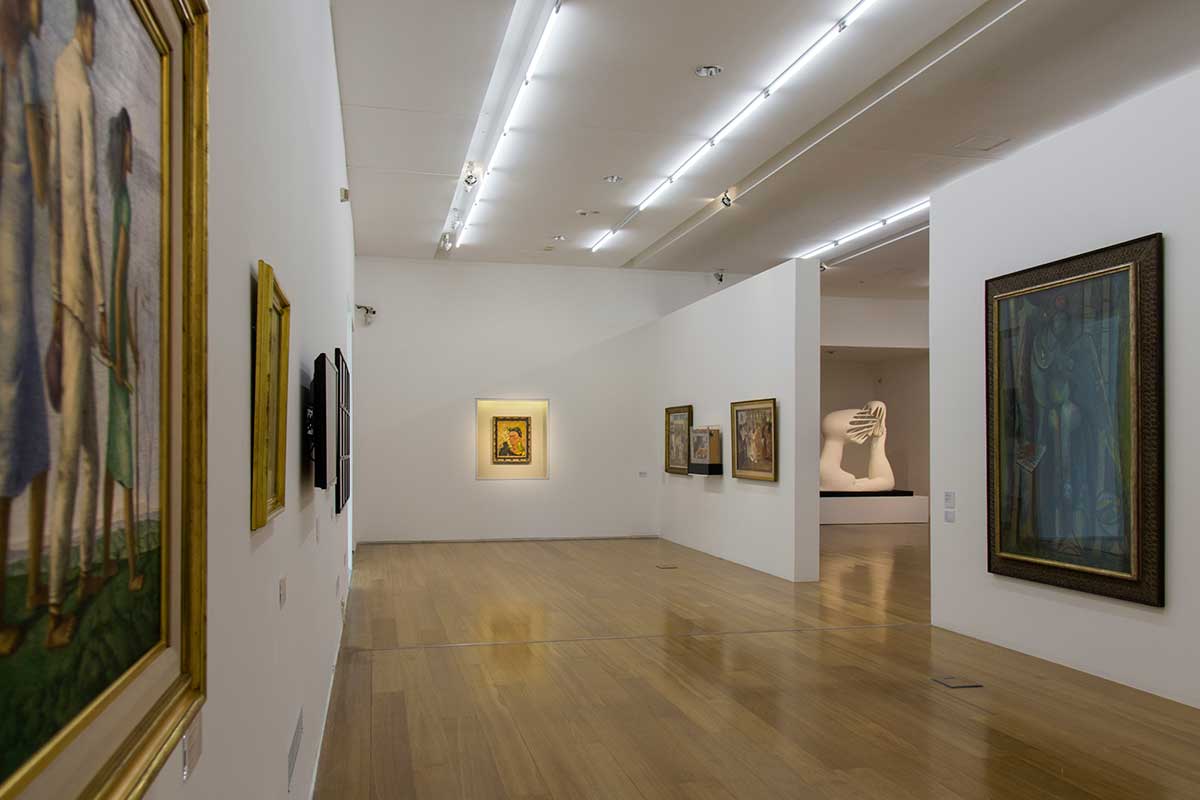
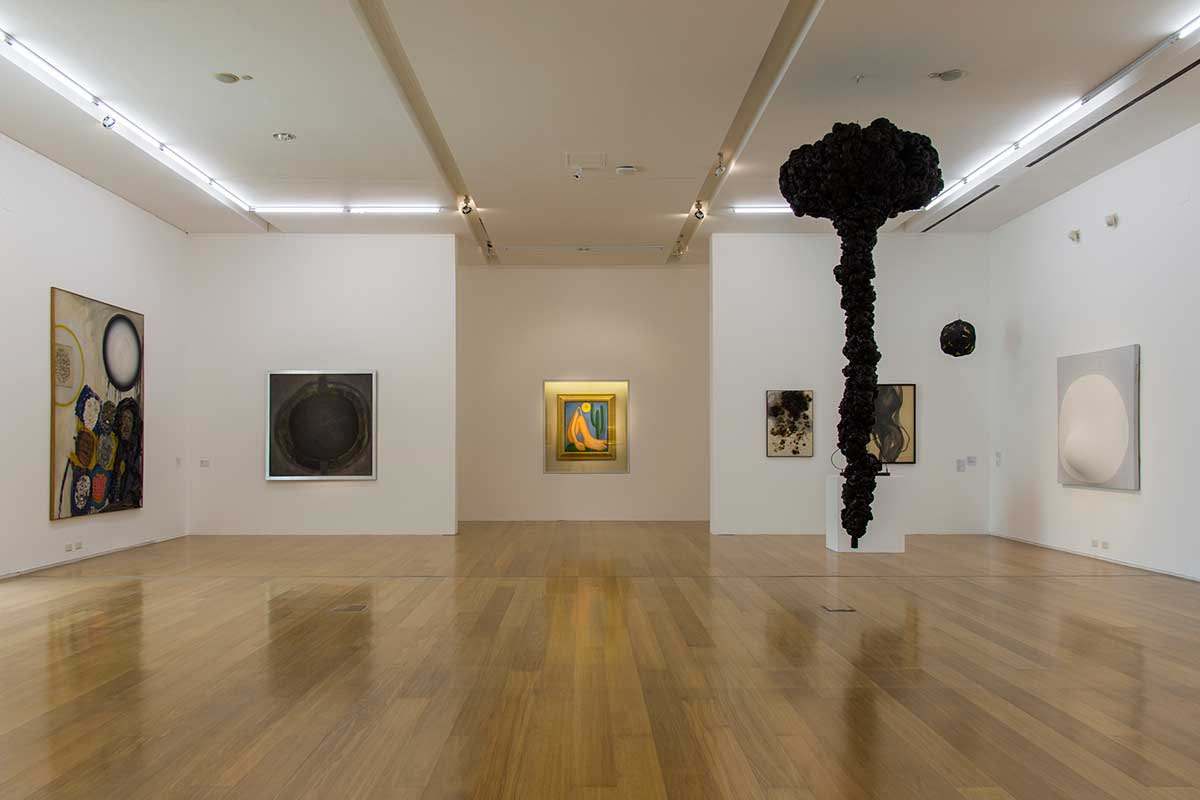
In the framework of the celebration of the 15th anniversary of MALBA’s founding, the museum presents Verboamérica, a new exhibition of its permanent collection, curated by historian and researcher Andrea Giunta and by the museum’s artistic director, Agustín Pérez Rubio. The exhibition—the fruit of a wider research project that has been underway for over two years—proposes a living history of Latin America in actions and experiences, a postcolonial history that does not understand Latin American art in the terms proposed by European art, but rather on the basis of the words that the artists themselves used in devising their aesthetic agendas.
“Verboamérica is performative and temporal; it evidences the crisis of a single and linear notion of historical time that globalization has witnessed,” explains Pérez Rubio in the exhibition catalogue; a cornerstone of the publication is Joaquín Torres-García’s famous map América invertida [Inverted America], a work that, as early as 1936, posited a modification in the geographic and spatial, but also temporal, pre-eminence of the Americas.
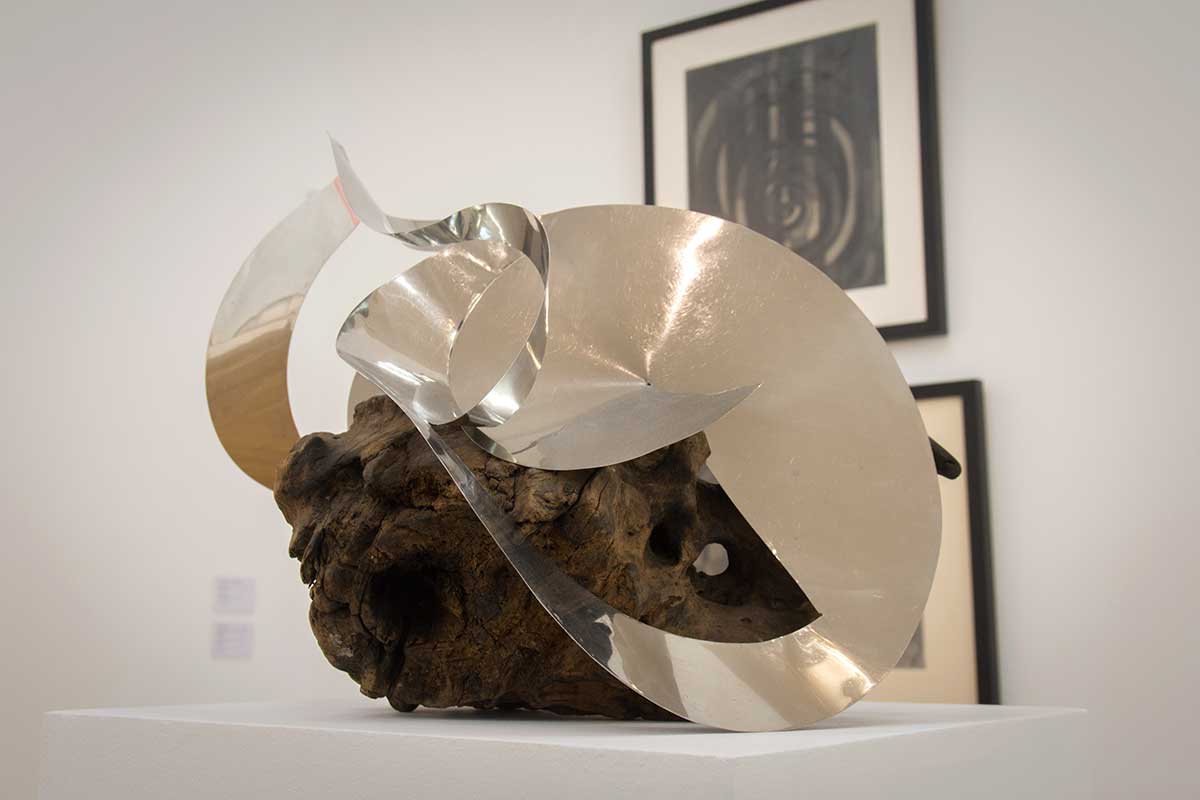
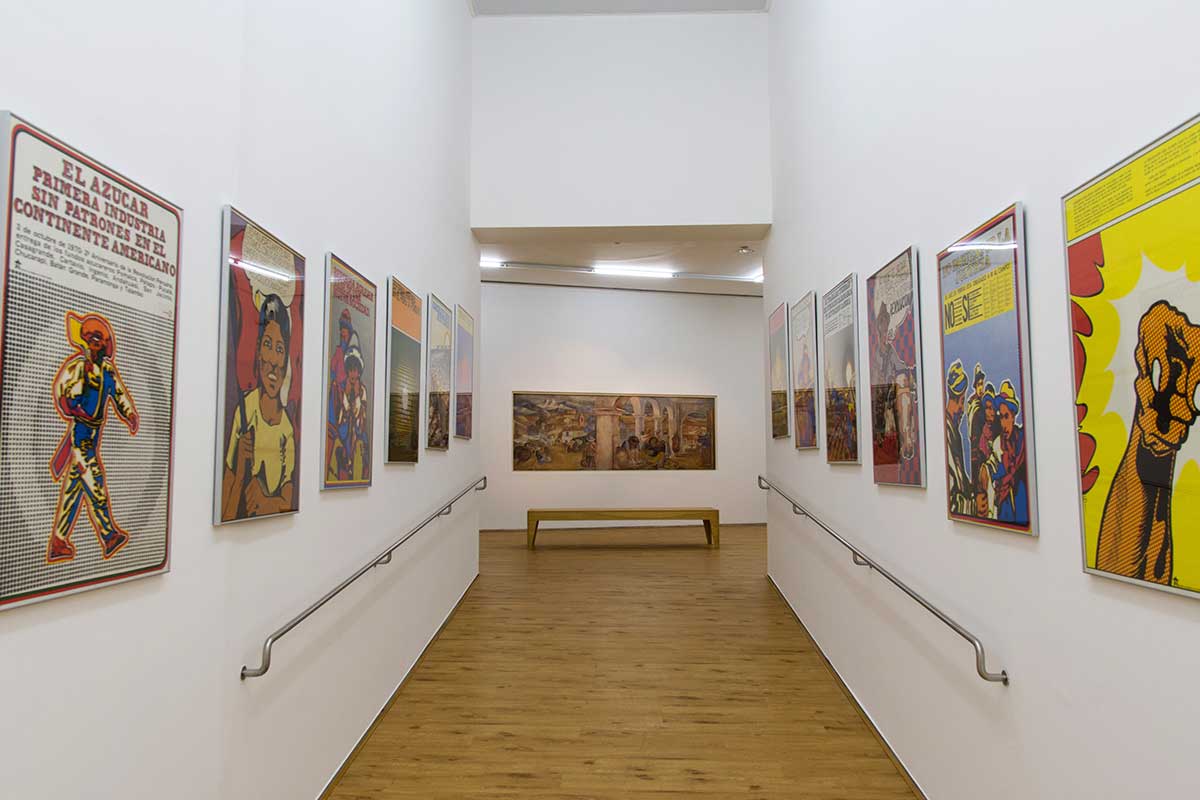
The exhibition breaks with a classical chronological overview. It includes one hundred and seventy pieces divided into eight thematic clusters with works from different historical periods and in an array of formats (painting, drawing, photography, video, book, historical document, and installation). The clusters are: In the Beginning; Maps, Geopolitics, and Power; City, Modernity, and Abstraction; Lettered City, Violent City, Imagined City; Work, Crowd, and Resistance; The Country and The Outskirts; Bodies, Affects, and Emancipation; and Indigenous America, Black America.
In the words of Andrea Giunta, “They key words in this exhibition come from artistic experience in Latin America: Anthropophagy, Indigenism, Negritude, Martín Fierro, Neo-concretism, Madi, Perceptismo, Constructive Universalism, Muralism. They come as well from the Latin American experience of cities—real cities, dreamed cities, utopian cities—of work, exploitation, and geopolitics; of the outskirts of the city, real and imagined landscapes; and of the banished (prostitution, poverty, unruly bodies not in keeping with how the patriarchal canon has constructed both woman and man). The exhibition revolves around black, indigenous, and peasant insurrection, the demand for land. It attempts to render visible the poetics of the indominable, forms of aesthetic emancipation".
Verboamérica Project
Catalogue
As a comprehensive project, Verboamérica encompasses all areas of the museum. A 380-page catalogue with Spanish and English editions will be published in conjunction with the exhibition. The catalogue includes a glossary of key terms tied to the works in the collection and to the broader artistic, social, and cultural experience of Latin America.
The book contains as well the curatorial essays “Open History, Multiuple Time. A New Turn on the MALBA Collection” by Agustín Pérez Rubio and “All the Parts of the World” by Andrea Giunta. It also includes an exhaustive analysis of the exhibition’s eight clusters and reproductions of all of the works on exhibit, as well as other key works of Latin American art, whether in the collection or not.
Glossary
The catalogue opens with a glossary of terms, nomenclatures, and definitions that can be seen as part of a specifically Latin American vocabulary. As such, Verboamérica is a possible re-writing of modern and contemporary Latin American history. “It recognizes the works and concepts that structured the European avant-gardes to then swallow them up and add local ingredients (terms). A crucial component of the project is, for us, the power of language to create realities and to construct worlds—and not only in order to represent them: anthropophagic and speaking America,” Pérez Rubio explains.
The terms in the glossary are not only related to style and art; they are also political, social, literary, and cinematographic in nature. The array of terms in the glossary includes “Activism,” “Destructive Art,” “Military Dictatorship,” “Madi,” “Postcolonialism,” and “LGBT.”
The glossary is envisioned as a living organic project; researchers and students, as well as the general public, are invited to suggest new entries on the website http://www.glosario.malba.org.ar/en. Those suggestions will then be analyzed by an advisory committee. The aim is for the glossary to expand over time and beyond the context of the exhibition.
Research and Cataloguing
Verboamérica also brings together the research and exhaustive cataloguing of the collection’s contents that has been in process under the auspice of the museum’s Curatorial Department for the last two years. A team of eminent researchers in the field of Latin American art was put together and assigned, according to area of expertise, the task of compiling thorough technical information and of writing academic texts on each of the works in the collection, in order to re-write its history.
On the occasion of the fifteenth anniversary of the museum’s founding, the first part of this ongoing research project will be launched at MALBA’s website; specifically, technical information on some one hundred and eighty works in the collection will be uploaded. The aim of this digital archive accessible to the community at large is to complement the files on each of the pieces in the museum and to include new documentary material and references from recent bibliography and research on the works in the collection.
The wealth of knowledge on the works, compiled thanks to this project, has proven extremely helpful to preparing the show.
Guided Tours
Wednesdays and Sundays at 4:00 p.m.
Clusters and artists in the exhibition
In the Beginning
At certain moments in history, forms explore the borders of representation. They investigate imprecise states bound to situations where visual concepts are inchoate. Works that suggest dawning moments and emergence. This often means imprecise images and materials that convey a mutant or shifting state that appeals to the still unformed, to bodily perception, to exploding imagination. Volcanoes, tornadoes, floods—the catastrophes in whose wake life emerges. The forms tend to be circular or curved in reference to the primal, to the ongoing evolution of a thought, to life and to death—as beginning of the world and as artistic act.
Artists: Carmelo Arden Quin, Lygia Clark, León Ferrari, Lucio Fontana, Gego, Víctor Grippo, Roberto Matta, Emilio Pettoruti, Zilia Sanchez, Ruben Santantonín y Clorindo Testa, among others.
Maps, Geopolitics, and Power
The exploration of the Americas was driven, in part, by thirst for gold, silver, precious stones, minerals, and fuel—something that still drives us. Zacatecas, Potosí, Minas Gerais, Serra Pelada. Maps of the world are bound to power. Borders, territories, sovereignties shift when there is dispute over the land and its resources. The alarm of nature. The very idea of foundation lies at the base of conquest and its parameters. The concept of nation is born of the conflict between the colony and the metropolis due, in part, to the need to expand commerce and trade, but also to the need to establish parameters of identities independent from Europe. The new territories were arenas in which to test out models of exploitation, of urban life, of republics, of citizenry normalized by the State, but also strategies of emancipation.
Artists:Fernando Bryce, Rafael Barradas, Augusto de Campos, Geraldo de Barros, Lygia Clark, Emiliano Di Cavalcanti, María Freire, Nicolás García Uriburu, Alfredo Jaar, Guillermo Kuitca, Diyi Laañ, Julio Le Parc, Jorge Macchi, Helio Oiticica, Lidy Prati, Revista Arturo, David Alfredo Alfaro Siqueiros, Grete Stern, Joaquín Torres García y Gyula Kosice, among others.
City, Modernity, and Abstraction
The city is the privileged setting of modern experience. Let’s imagine ourselves immersed in the sudden and relentless transformation that came with the dawn of the twentieth century and growing Latin American cities. The region’s artists traveled to Europe and were dazzled by Paris and Barcelona, but they also traveled to New York. And, when they returned, they evidenced in their works the impact that the expansion of their own cities had had on their ways of understanding the urban experience: São Paulo, Buenos Aires, Montevideo, Mexico City, Lima, Santiago (Chile), Bogota, Rio de Janeiro, Lima, Caracas, Quito, Havana, and so on. They came up with languages that could capture the vertigo of transformation acting on bodies, fragmenting and compressing the experiences of fast-paced city life. They attempted, in a way, to use their artistic languages to arrange those fluctuating universes. Grids, swirls, symbolic syntheses of the concerns of men, nature, feeling. Representations of cities contained as well representations of the universe.
Artists: Rafael Barradas, Lygia Clark, Horacio Coppola, Geraldo de Barros, Emiliano Di Cavalcanti, Gyula Kosice, Diyi Laañ, Jorge Macchi, Hélio Oiticica, Grete Stern y Joaquín Torres García, among others.
Lettered City, Violent City, Imagined City
The city was not only represented as angles and contrasts of light and shadow. Writing was also key to its depiction. Authors in cities around the world would gather in cafes to discuss new aesthetic visions and agendas. A whole new imagination was unleashed around the very concept of writing. Many languages were activated in response to censorship; encoded and secret forms of speaking, writing, and thinking that eluded the control of dictatorships. New languages were invented, languages that mimicked the order of writing but without recognizable letters or words. Even fingers were used to write, imprints of the traces of the body left on what appeared to be the lines of a page; writing without ink, without pencil, with only the markings of a hand creasing a page. Body writing. Other codes were envisioned and invented, codes that, because indeterminate, could aspire to universality and produce new forms of contact.
Artists: Norah Borges, Mirtha Dermisache, Graciela Gutierrez Marx, Mathias Goeritz, David Lamelas, Margarita Paksa, Liliana Porter, Diego Rivera, Lotty Rosenfeld, Mira Schendel, Remedios Varo y Xul Solar, among others.
Work, Crowd, and Resistance
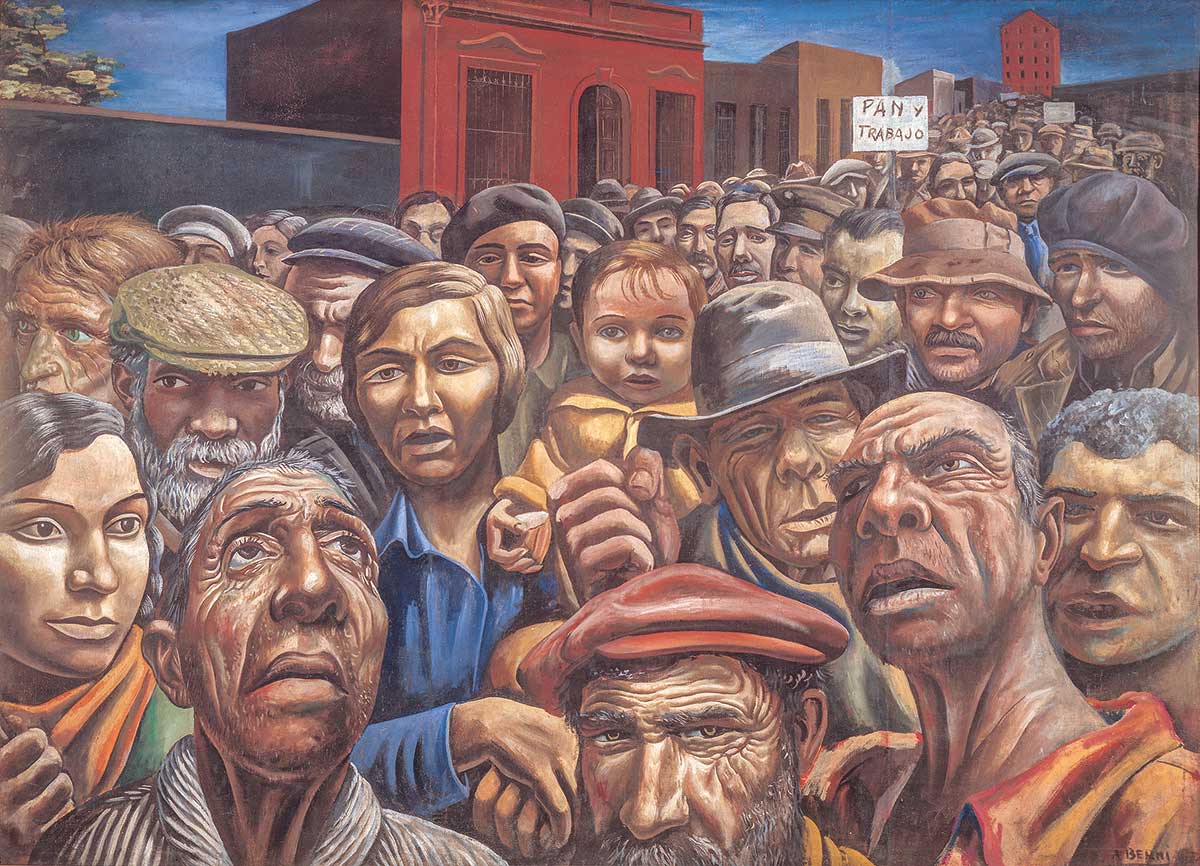
The demographic growth of Latin American cities meant an intense diversification of tasks and the ways individuals are organized on the urban scene. Work in the modern era was mostly work in the factory, the arena of capitalist development. During at least the first half of the twentieth century, women’s work ensued partly in the home and partly in the factory. The sewing machine—Singer’s invention—afforded women the possibility to earn—and to control—some income without leaving their house and, as such, it occasioned a revolution by giving them a greater measure of economic independence. It also, however, reinforced their confinement in the home. Men were subjected to new forms of exploitation at growing factories. They organized as workers, not only by holding strikes and demonstrations—supreme organization of the masses as they vied for control of the means of production and fought for decent wages—but also by issuing propaganda, publications and images used to rally workers.
Artists: Oscar Bony, Antonio Berni, Antônio Dias, Ana Gallardo, José Gurvich, Magdalena Jitrik, José Clemente Orozco, Amelia Peláez, Taller Popular de Serigrafía y Claudio Tozzi, among others.
The Country and the Outskirts
The experience of growth and of conglomeration in the city produced new forms of migration and of marginalization. Migrants searching for a better life came to the city to change a rural landscape for an urban one. But the borders of the city, its outskirts, are also the devalued zones of development, of opulence; they are places where the dazzling city turns into waste, trauma, precariousness. Houses built out of fragments and trash, rickety constructions of tin and cardboard in the empty spaces of urbanization. These are the zones of beings at the margin of citizenship, areas where poor children and prostitution mingle. It is on the margins that the rage and resistance of the dispossessed grow. It is not a question of migrants, but of those banished, expulsed from society—the desperation expressed in the prostitute Ramona’s stiff smile in Antonio Berni’s work and in the red blotches crashing against the sky. Yet, to leave the city is to head into unpolluted nature, the chance to build a utopia.
Artists: Francis Alÿs, Antonio Berni, José Cúneo, Miguel Covarrubias, Kenneth Kemble, Emilio Pettoruti, among others.
Bodies, Affects, and Emancipation
The states that organized the Latin American republics replicated, in many respects, the parameters of European and North American states. Like them, they structured legitimate citizenships and expulsed or negated those not in keeping with their principles. The experience of the insubordinate bodies—those that did not conform with the schemes established by society or with heteronormative mandates— were cast out, relegated to the other side. Bodies that pursue other experiences and recognition of them. Bodies that escape patriarchal models. Sensibilities that explore alternative ways to experience bodies, other modes of joy and happiness. Women were the ones, in successive waves of feminism, who struggled for other social representations. Whether or not they identified as feminists, women artists were sensitive to the agendas of feminism.
Artists: Juan Battle Planas, Antonio Berni, Oscar Bony, Feliciano Centurión, Jorge De la Vega, Paz Errázuriz , Ricardo Garabito, Annemarie Heinrich, Fernanda Laguna, Las Yeguas del Apocalipsis, Liliana Maresca, Anna María Maiolino, Marisol, María Martins, Mónica Mayer, Marta Minujín, Marcelo Pombo, Wanda Pimentel, Marcia Schvartz y Grete Stern, among others.
Indigenous America, Black America
The “discovery” of America was grounded in the violent negation and eradication of the indigenous, and the foundation of conquest and the colonial era was a double negation: the negation of the native peoples and the negation of the population brought over from Africa as slaves to work on plantations and in mines. Beliefs and social organizations were shattered with a violence that also acted on bodies. The colonial era witnessed a vast and shameful traffic of bodies. Whereas the figure of the Indian formed part of the symbolic repertoire on which nations were built (the Indian as figure from an idealized past, not as enduring a present of subjugation), there was no place for the Afro-Latin American in the cast of heroic citizens. Despite the fact that—as depictions of battle scenes attest— those of African descent formed part of the armies that fought for independent republics, they were ignored in Latin American art history. It was not until recently that African influence came to be recognzed in curatorial projects. Under modernism, that influence was silenced in a model of integration that aspired to a raceless, because solely white, society in the future.
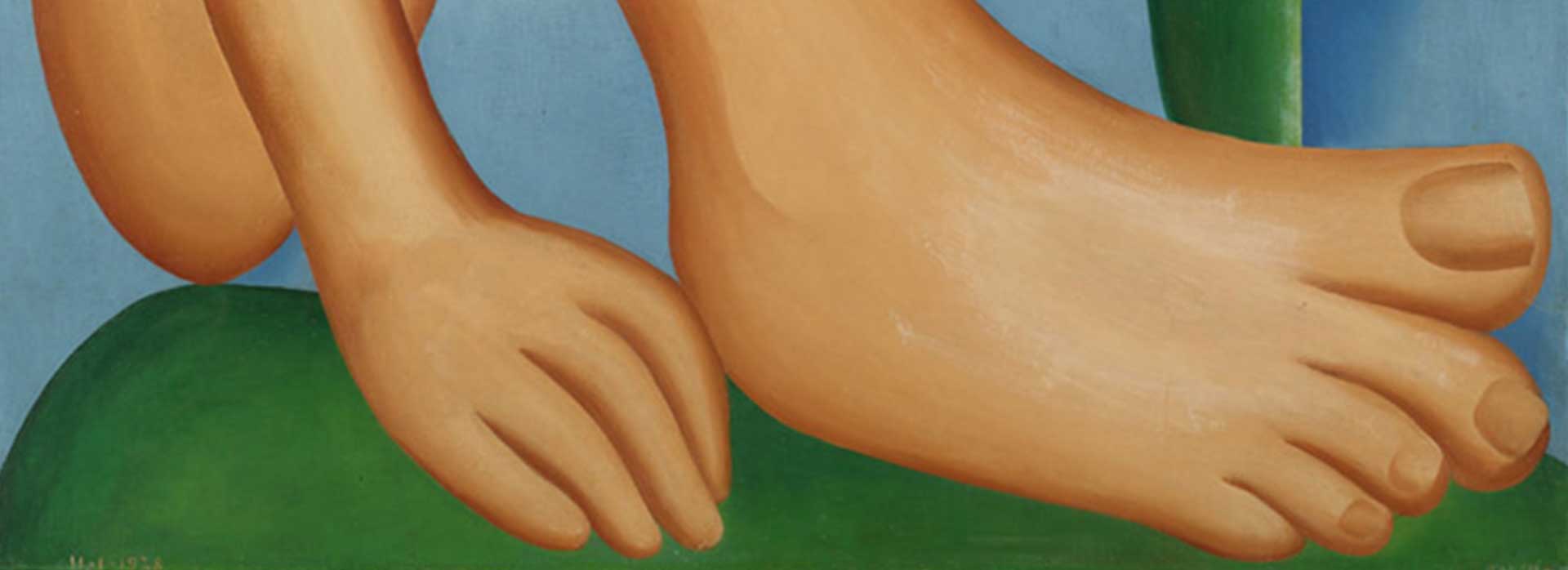
Artists: Claudia Andujar, Miguel Covarrubias, Tarsila do Amaral, Emiliano Di Cavalcanti, Pedro Figari, Anna Bella Geiger, Frida Kahlo, Wilfredo Lam, José Carlos Martinat, Ana Mendieta, Luis Ortiz Monasterio, Héctor Poleo, Cándido Portinari, Jesús Ruiz Durand y Xul Solar, among others.
Video recording
Audioguides
As part of the initiatives of the museum’s Education and Outreach Departments, audio guides that explore the exhibition’s eight thematic clusters with a focus on twenty-five works central to the collection on exhibit in Verboamérica can be downloaded free of charge.

In the Press
El Museo MALBA celebra sus 15 años reorganizando su colección
Clarín, 15.09.2016
Los 15 años del Malba: Un sueño que maduró y seguirá creciendo
La Nación, 16.09.2016
“Verboamérica”: un nuevo guión curatorial de la colección permanente del Malba para festejar sus 15 años
Télam, 16.09.2016