06.24 — 10.31.2016
Curators: Gunnar B. Kvaran y Agustín Pérez Rubio
Opening: Thursday, June 23, 7:00 p.m.
Gallery 5. Level 2 and various locations around the city
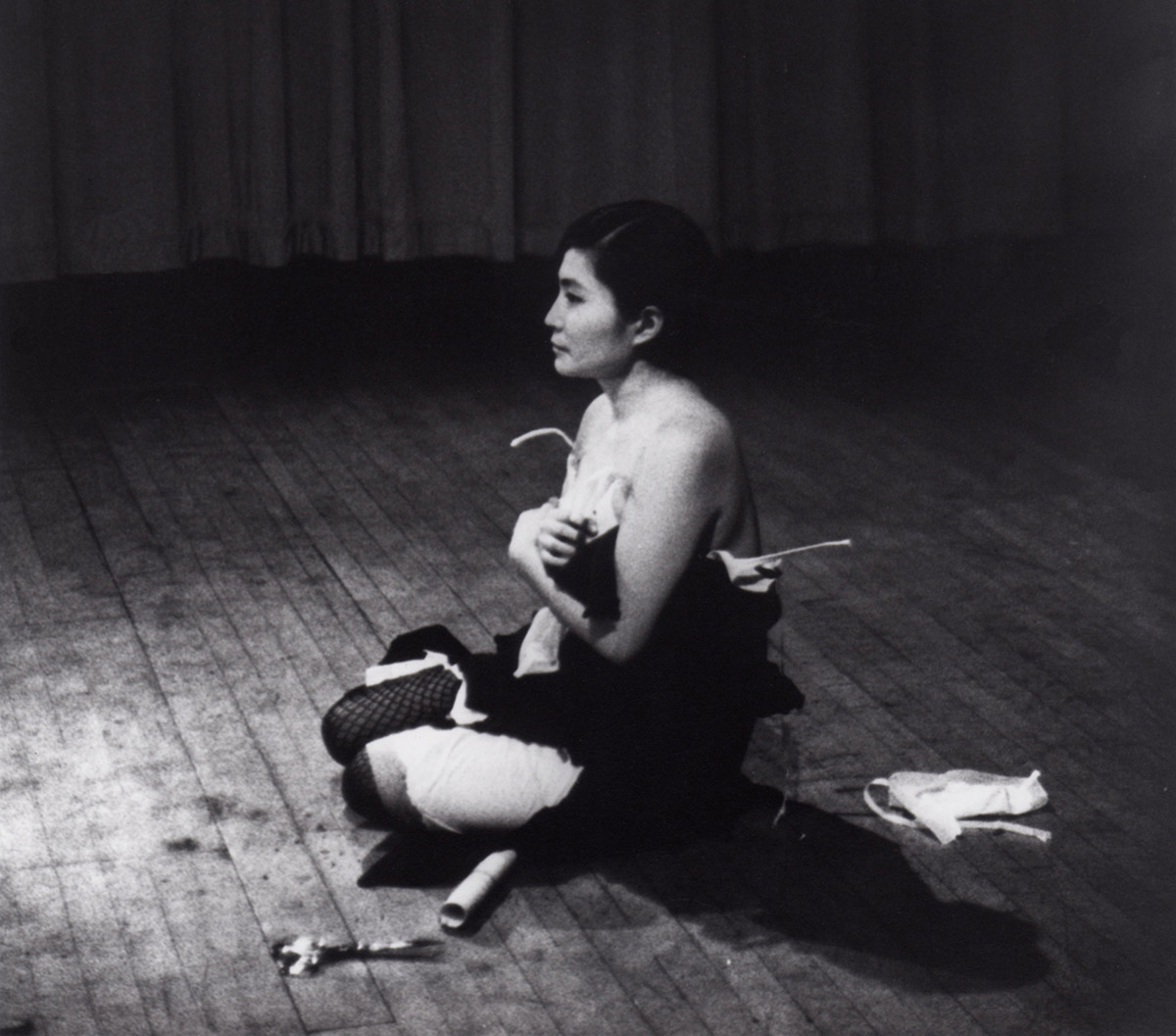
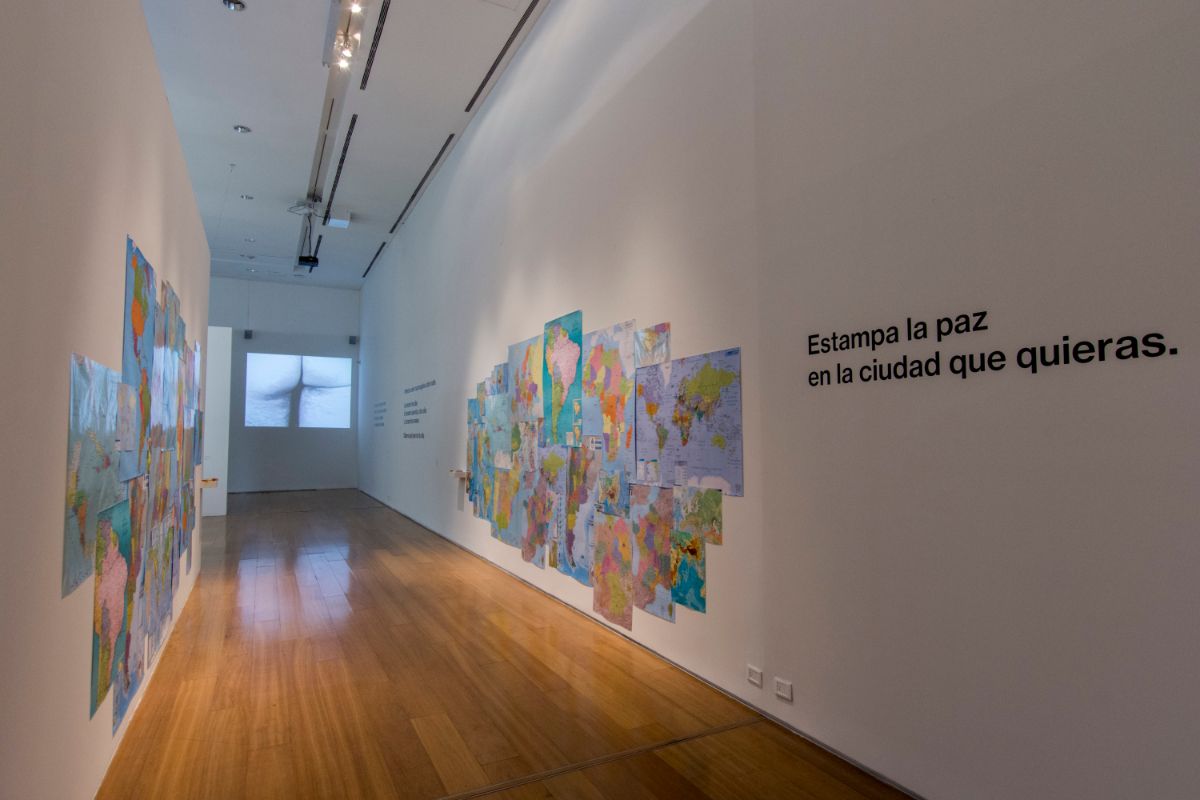
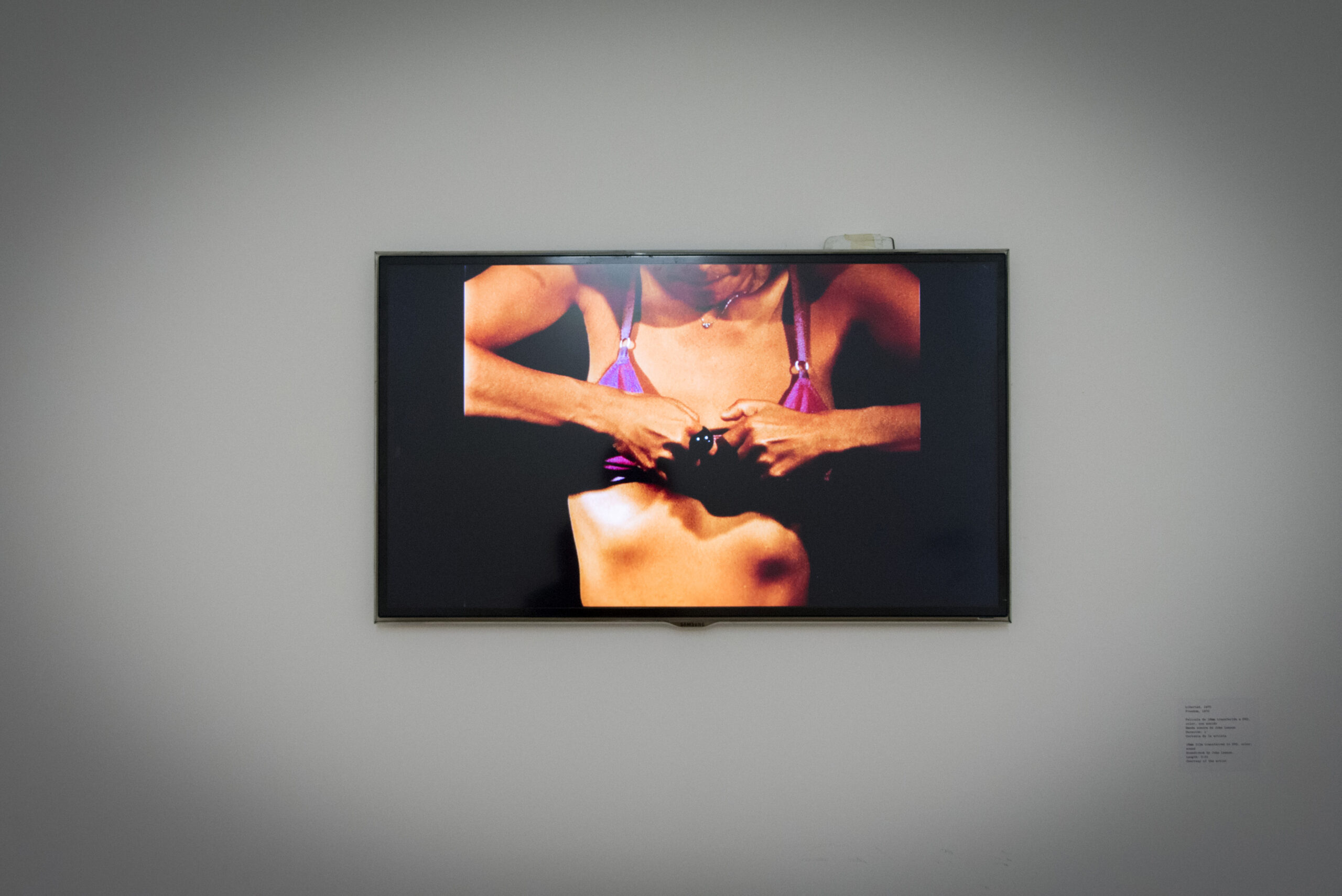
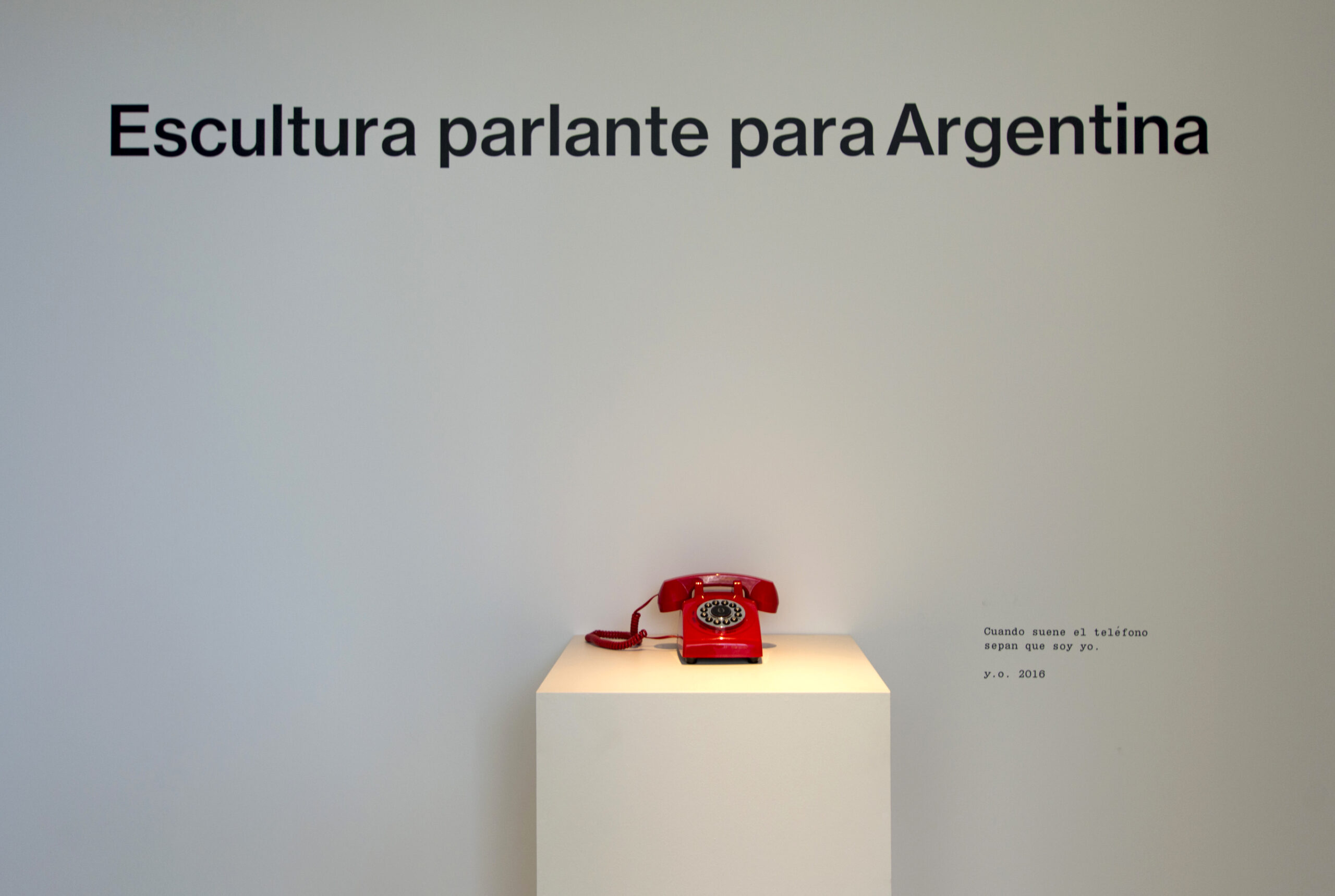
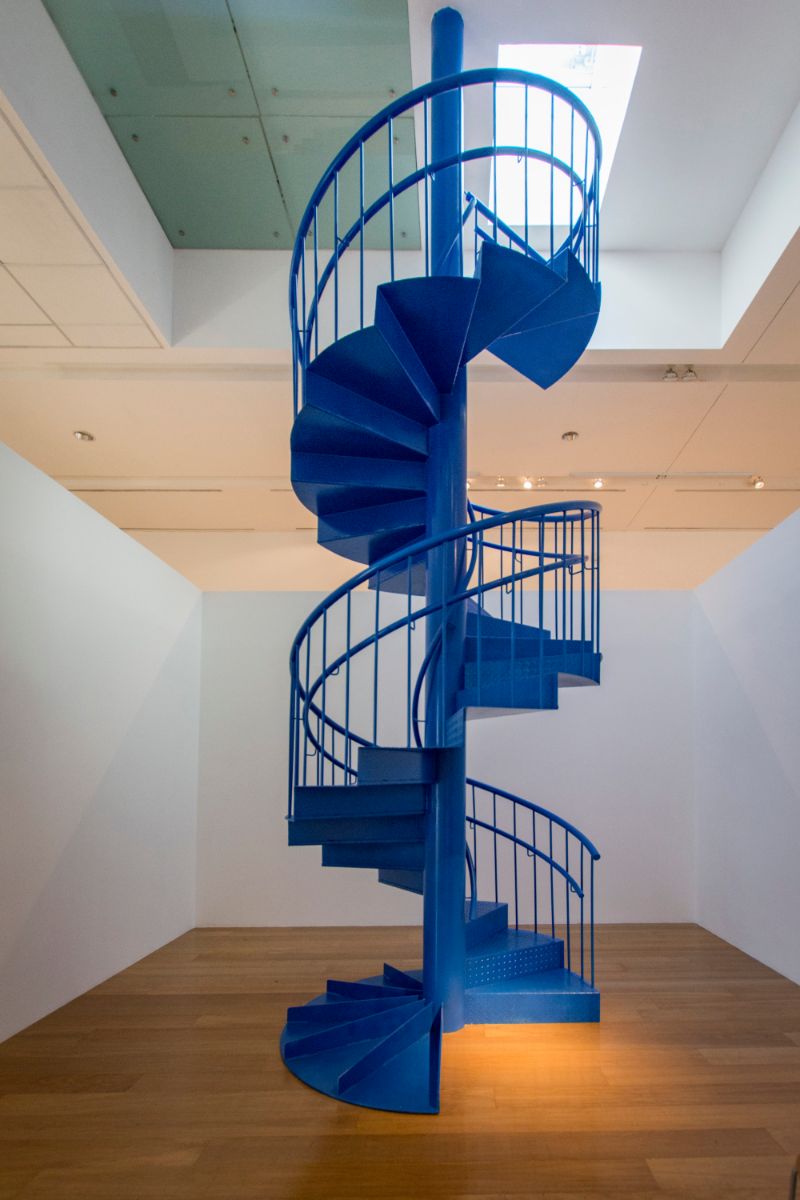
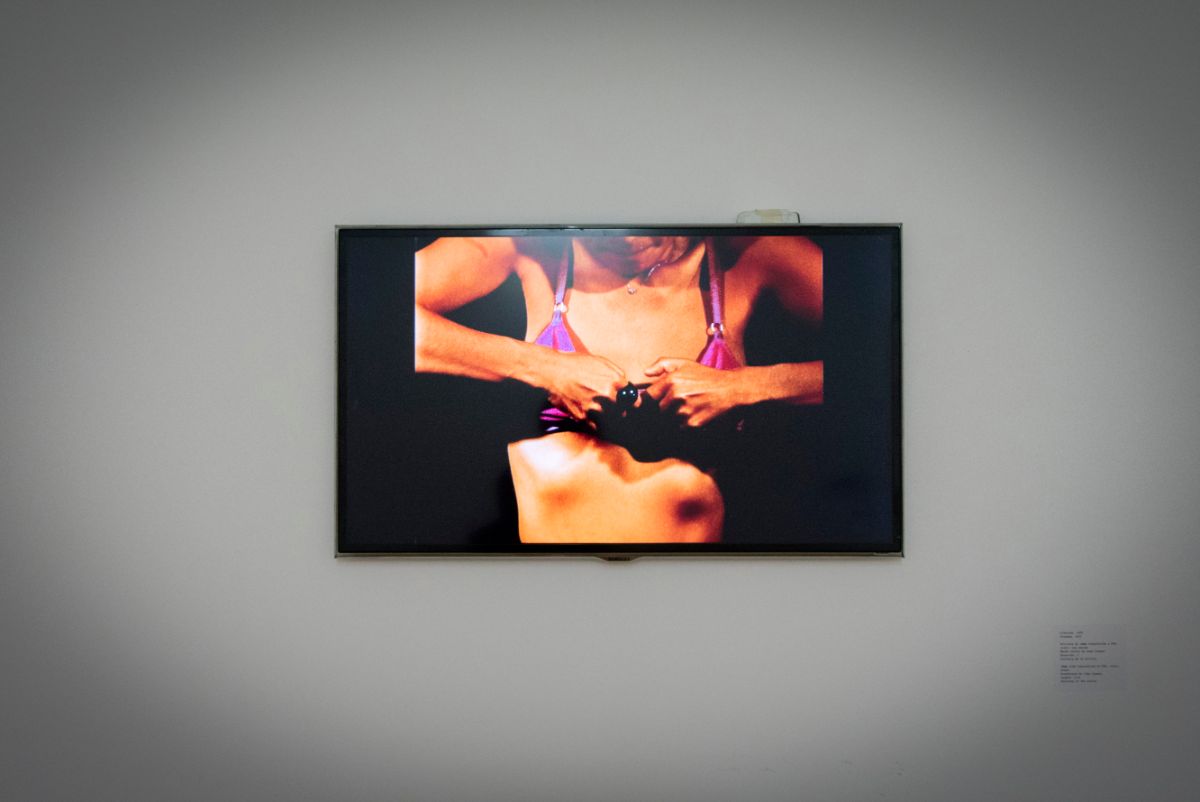
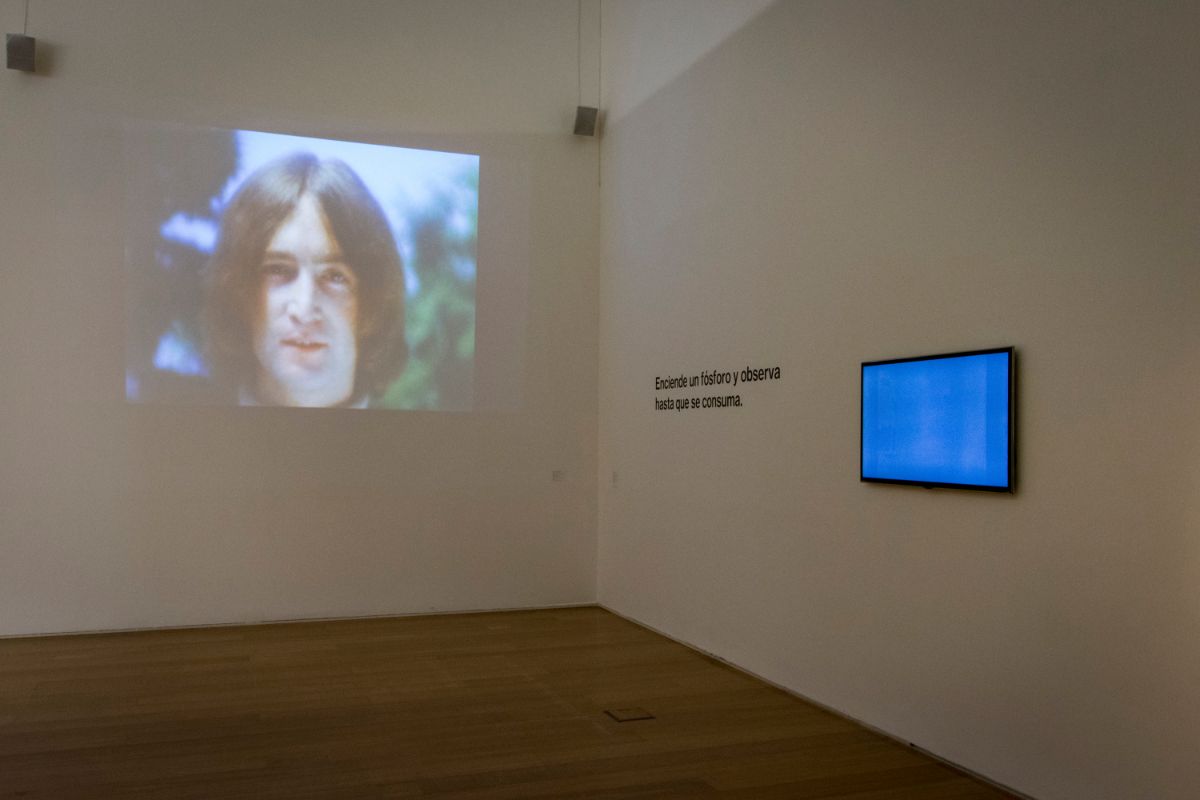
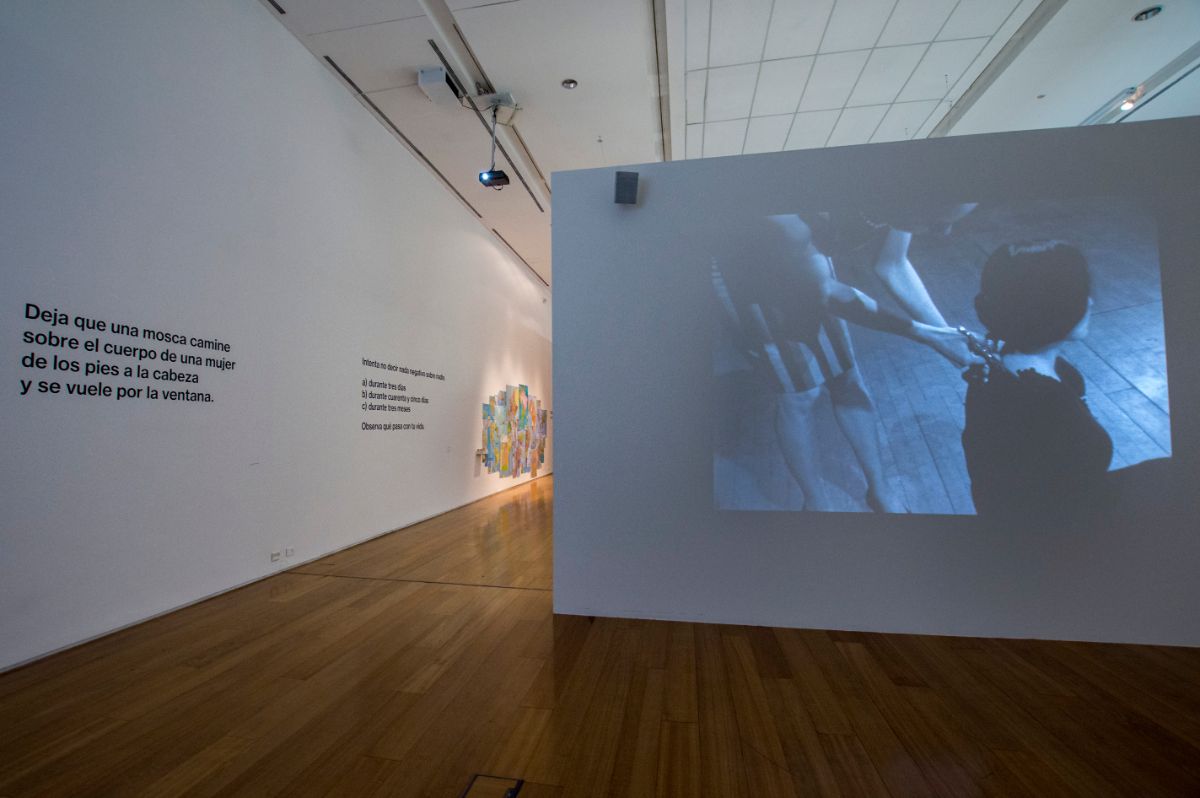
This is the first retrospective of artist Yoko Ono (Tokyo, 1933)—an essential figure in conceptual and participatory contemporary art—to be held in Argentina. The show includes over eighty works, among them objects, videos, films, installations, sound pieces, and recordings produced from the early sixties through the present. The cornerstone of the show is the Instructions Pieces, which Ono has been working on for over fifty years. The artist will travel to Buenos Aires in June to attend the opening.

Through her works, Ono has created an array of relationships with viewers, inviting them to play an active role in her art’s creative process. She uses a clear language to produce objects, events, rituals, and actions that are consummated, both materially and mentally, by the audience.
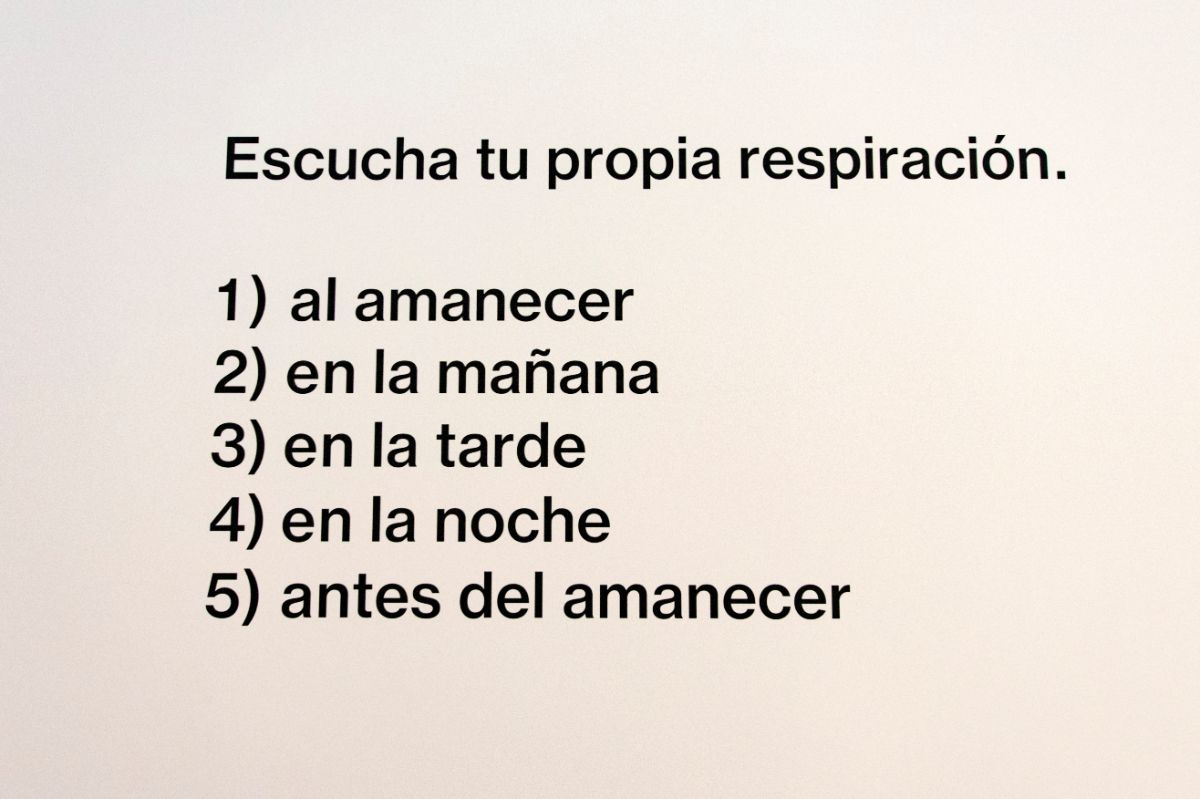
Simple and poetic messages, the “instructions” invite viewers to perform certain actions. They formulate questions about the conceptual basis of the work of art, viewers’ participation in its material production, the ephemeral, and the desanctification of the art object.
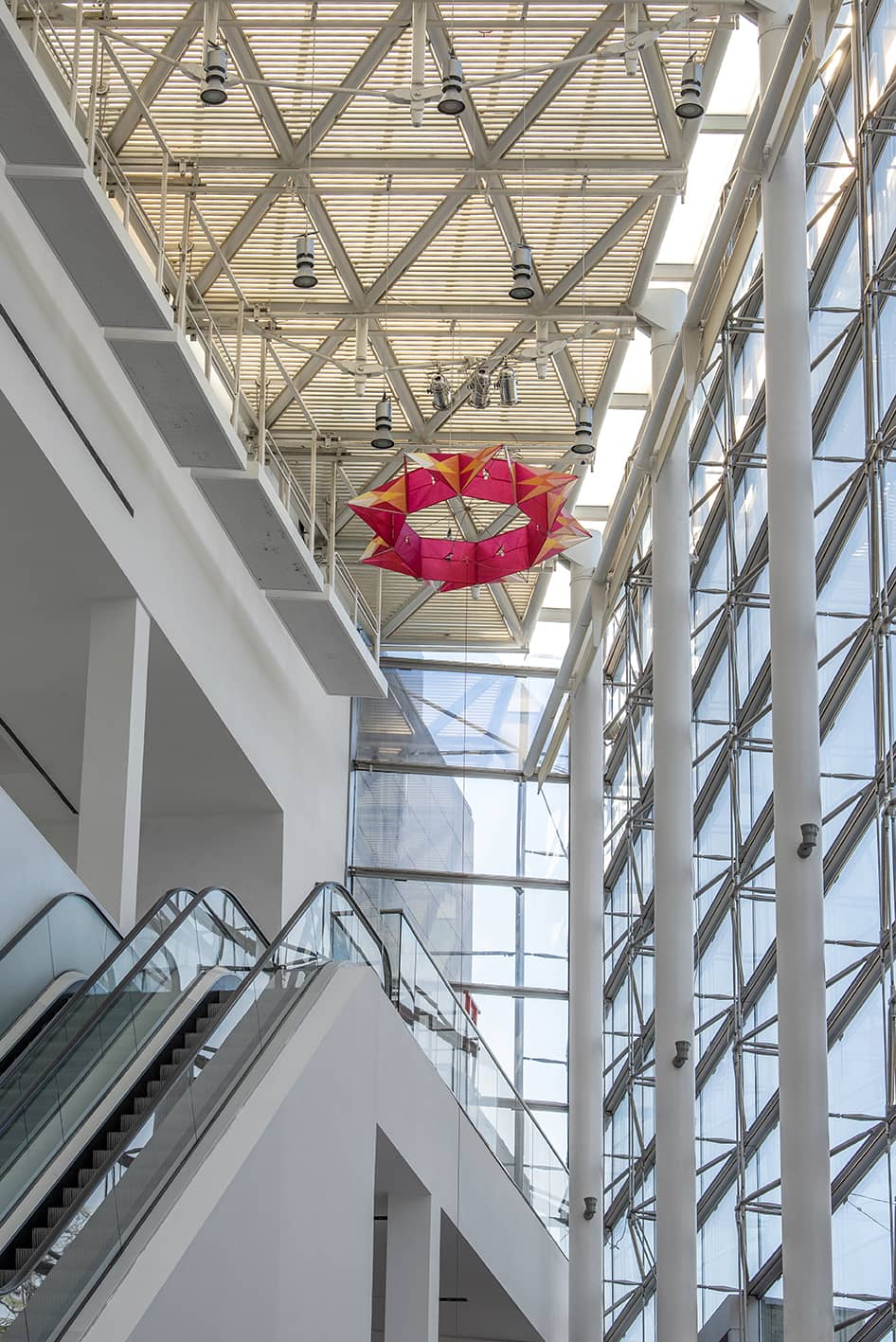
The exhibition project contains two discrete instances: the show itself in MALBA’s galleries and the exhibition and communication of many works in the public space (signs, buses, billboards), the mass media (newspapers, magazines, radio, and television), and the social networks (Facebook, Twitter, Instagram, Tumblr), where Ono is also a point of reference.
In this way, Yoko Ono amplifies the reach of a body of work with a strong social and political commitment, based on her activism in favor of movements such as feminism, pacifism, and environmentalism. In Dream Come True, the artist invites us to undergo a transformative experience in our relationship with ourselves and with others.
Guided Tours
Thursday, Friday, Saturday, and Sunday at 3:00 p.m.
Arising
A Call
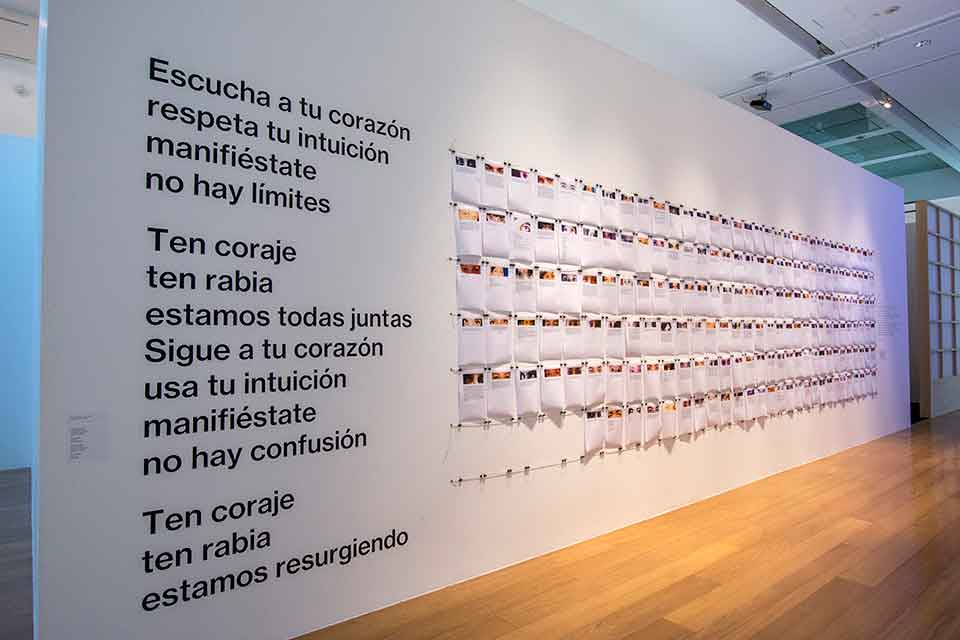
Yoko Ono calls on women in Latin America who have suffered any kind of violence simply because they are women to send a photograph of their eyes and a personal testimony anonymously. There is no age limit. Testimonies were accepted until October 16:
If you are a victim of gender-based violence, you can request help by calling 144. It is free, available 24 hours a day, nationwide.
Water Event
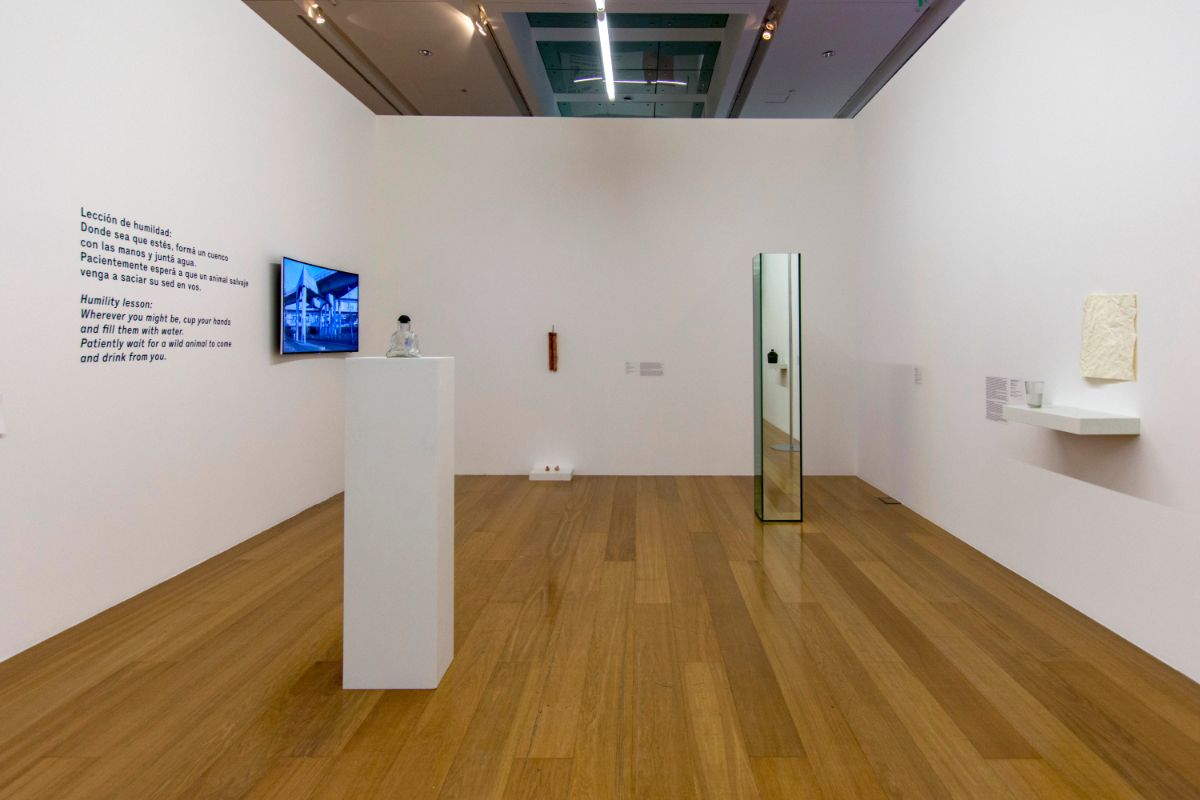
Water is a recurring motif in Yoko Ono's work, providing many metaphorical layers: water is the main component of the human body. Buddhist philosophy compares human life to water and the human body to a vessel. In 1971, Ono invited a group of artists to participate in a Water Event, which took place at the Everson Museum in Syracuse. Her intention was to create collaborative works based on water and its meanings.
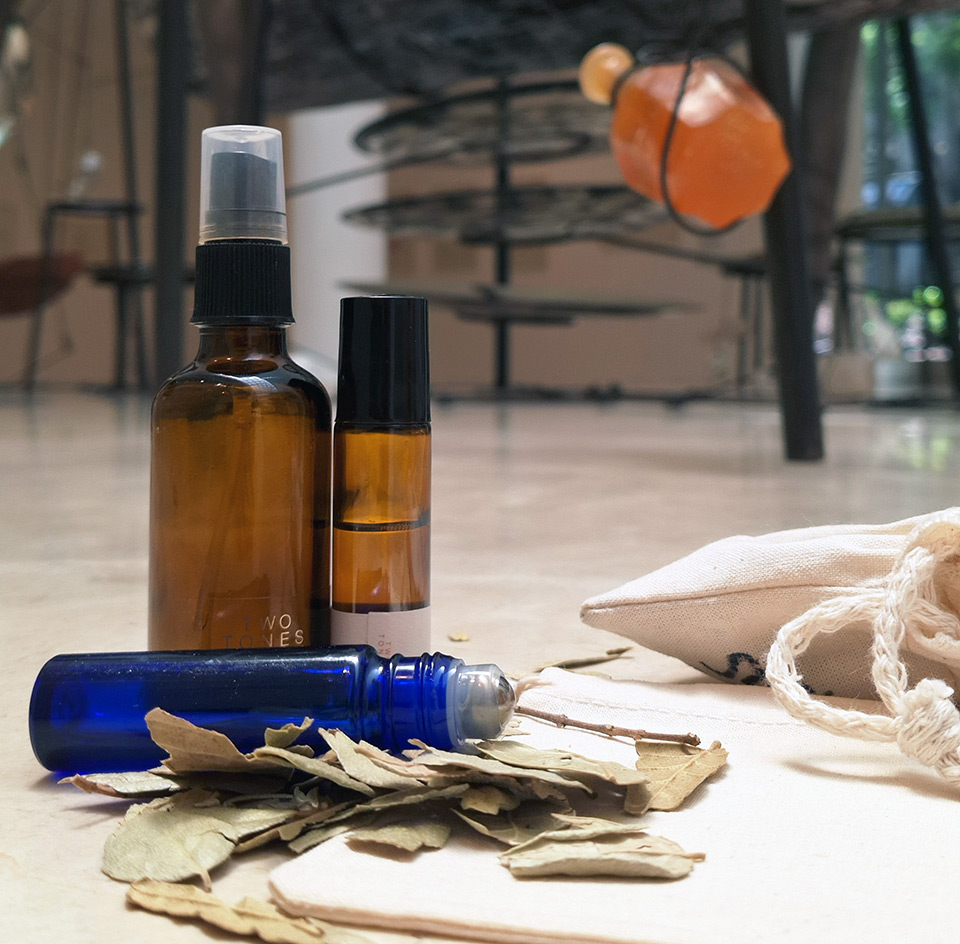
As part of Dream Come True, Ono brought together a group of Latin American artists—Liliana Porter, Hernán Marina, Ana Gallardo, Amalia Pica, Rosângela Rennó, Runo Lagomarsino, Alexander Apóstol, Alfredo Jaar, Tania Bruguera, Teresa Margolles, Tercerunquinto, Antonio Caro—with the instruction to produce a vessel capable of “bringing water” to people, either to heal their minds or to recognize their courage to speak out. It can also be specifically intended for a person, town, or region in desperate need of water. Each work will be displayed in the museum's galleries as part of the exhibition.
Publications
To accompany the exhibition Dream Come True, MALBA will publish two publications: a book that will document the exhibition, in the form of a catalog, and a reissue of 1,000 copies of Ono's Grapefruit (1964). In 1970, Grapefruit was published in Buenos Aires by Ediciones de la Flor, in what was its first Spanish-language edition. The well-known publishing house took a big gamble. Grapefruit was an experimental text, and Yoko Ono did not have the international recognition she enjoys today. The edition remains out of print to this day.
With the help of Kuki Miler, head of De la Flor, MALBA contacted the author of the cover of that edition, Oscar Smoje, current director of the Palais de Glace, and the heirs of the author of the translation: Argentine writer, journalist, editor, and translator Susana Lugones. “Pirí,” as she is commonly known, was kidnapped and disappeared in 1977 during the dictatorship. With this new edition, MALBA seeks to recover and pay tribute to that legendary 1970 edition.
Yoko Ono
Tokyo, Japan, 1933; she lives and works in New York.
Born to a traditional Japanese family, she spent her childhood in cities like New York, San Francisco, and Tokyo. From a very young age, she was given a musical education, studying piano and voice. She was the first woman admitted to the philosophy program at Gakushuin University in Japan. She later received a degree in poetry and contemporary composition from Sarah Lawrence College.
In 1961, she began working in conceptual and participatory art, avant-garde music, experimental film, and performance. Her work aroused the interest of important figures like Peggy Guggenheim, Marcel Duchamp, and George Maciunas. She has done collaborative projects with artists like Nam June Paik and the Fluxus group. In 1964, she published Grapefruit, her mythical book of instructions.
In 1966, she met John Lennon, who became her life partner as well as the co-author of a series of performances, films, and musical pieces. She was increasingly connected to pop music and, with Lennon, she formed the band Plastic Ono Band. After Lennon’s death, Ono was in mourning for a number of years during which she produced music and videos related to her sense of loss. Solo shows of her work include Paintings and Drawings by Yoko Ono, AG Gallery, New York (1961); Sogetsu Art Center, Tokyo (1962), Yoko at Indica Gallery, London (1966); This is not Here, the Everson Museum of Arts, Syracuse (1971); documenta 5, Kassel (1972); Yoko Ono: Objects, Films, the Whitney Museum of American Art, New York (1989); En Trance Ex it, Museo de arte Moderno de Buenos Aires (1997); YES Yoko Ono, Japan Society, New York (2000); Yoko Ono Horizontal Memories, Astrup Fearnley Museum of Modern Art, Oslo (2005); the 53rd Venice Biennale (2009); Half a Wind Show, Guggenheim Museum Bilbao (2014); and Yoko Ono: One Woman Show, 1960-1971, MoMA (2015). Her work forms part of public and private collections around the world. She has recorded a great many solo albums and albums with other artists; she has written many books and others have been written about her work. She was awarded a Grammy in 1982 for the album Double Fantasy recorded with Lennon, the 8th Hiroshima Art Prize (2011), the Golden Lion at the 53rd Venice Biennale (2009), the Oskar Kokoshka prize (2012), the Dublin Biennial’s Lifetime Achievement Award (2012), and the Rainer Hildebrandt medal from the Checkpoint Charlie museum in Berlin for her commitment to human rights (2012).
Inaugural Conference
In the Press
Yoko Ono da instrucciones a Buenos Aires
El País, 23.06.2016
Una gran historia con pequeños gestos
La Nación, 19.06.2016
Yoko Ono da instrucciones: llega la muestra donde los sueños se hacen realidad
La Nación, 22.06.16
En 48 horas, 200 mujeres argentinas le enviaron sus historias a Yoko Ono
Clarín, 29.04.2016
Yoko Ono da instrucciones a Buenos Aires.
El País (España), 23.06.16.
Yoko Ono da instrucciones: llega la muestra donde los sueños se hacen realidad. La Nación, 22.06.16.
Yoko Ono: ‘Have fun at mending the world’.
Buenos Aires Herald, 23.06.16.
Más de mil mujeres le contaron a Yoko Ono sus historias de maltrato. Clarín. 24.06.16.